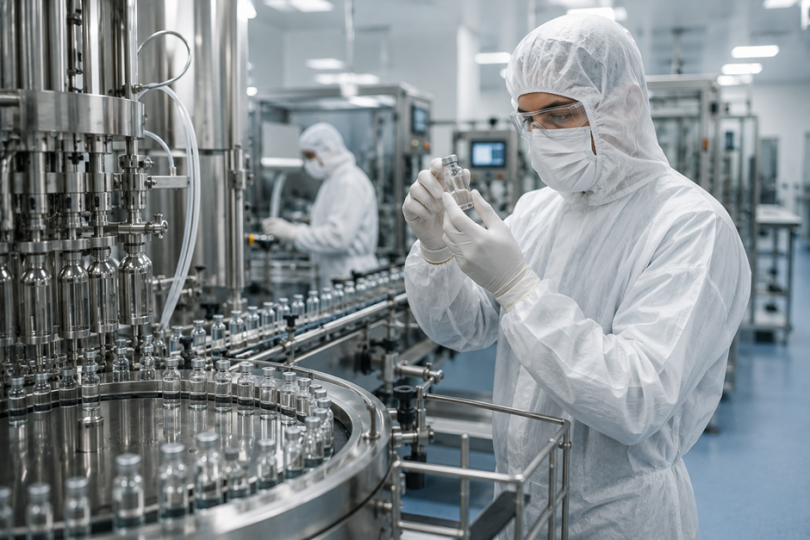

The performance enhancement industry has changed considerably over the past decade. While discussions once focused almost entirely on training intensity and physique outcomes, today’s athletes and researchers place far greater emphasis on product quality, manufacturing precision, and long-term consistency. This evolution reflects a broader understanding that successful performance environments depend not only on disciplined training but also on the reliability of the products individuals choose to research.
Modern performance culture has become increasingly selective. Rather than evaluating products based solely on popularity, experienced individuals now examine manufacturing processes, laboratory reputation, quality assurance procedures, and production consistency before making decisions. The objective is no longer simply identifying available products but understanding how recognised manufacturers maintain standards across increasingly competitive markets.
This growing emphasis on quality has encouraged laboratories to adopt more sophisticated production systems. Pharmaceutical manufacturing now incorporates advanced equipment, sterile production environments, rigorous testing procedures, and multiple verification stages designed to maintain consistency from one production batch to the next. These developments have contributed to a noticeable shift in how athletes approach performance research, with greater attention being placed on manufacturing integrity alongside training and recovery strategies.
As educational resources continue expanding, more individuals are recognising that informed research begins long before entering a gym. Understanding the principles behind pharmaceutical manufacturing, laboratory standards, and quality control provides valuable context when evaluating recognised performance categories. Rather than relying on assumptions, today’s performance community increasingly values objective information supported by established manufacturing practices and transparent production methods.
This change has influenced both experienced athletes and newcomers alike. Access to detailed educational material allows individuals to compare recognised laboratories, understand production standards, and appreciate why consistency remains one of the defining characteristics of trusted manufacturers. Within modern performance discussions, quality has become more than a desirable feature. It has become an essential part of responsible product research.
Manufacturing Has Become a Competitive Advantage
Advances in pharmaceutical production have transformed expectations throughout the performance industry. Modern laboratories now operate within increasingly controlled environments where every stage of manufacturing is designed to minimise variation while maintaining consistent product quality.
The introduction of automated production equipment has significantly reduced many of the inconsistencies previously associated with manual manufacturing processes. Precision measuring systems, controlled filling equipment, and advanced sterilisation procedures allow manufacturers to maintain tighter production tolerances while improving overall reliability.
Consistency remains particularly important because manufacturing quality extends beyond the finished product itself. It also influences packaging integrity, batch identification, storage stability, and the overall confidence that researchers place in recognised laboratories. As a result, production precision has become one of the strongest indicators of long-term manufacturing credibility.
This emphasis on precision reflects a broader trend across pharmaceutical industries worldwide. Rather than competing solely through product availability, established laboratories increasingly distinguish themselves through repeatable manufacturing standards capable of delivering consistent production quality over extended periods.
Understanding Why Laboratory Standards Matter
Every pharmaceutical product begins long before the manufacturing process itself. Raw material sourcing, ingredient verification, equipment preparation, environmental control, and production planning all contribute to the quality of the final product.
Modern laboratories invest considerable resources into developing systems capable of reducing contamination risks while maintaining stable manufacturing environments. Controlled air filtration, sterile production areas, calibrated equipment, and documented quality procedures all contribute to maintaining consistency throughout every production cycle.
These systems exist because even minor variations can influence manufacturing outcomes. Maintaining strict laboratory standards helps reduce unnecessary variability while ensuring that each production batch follows identical quality procedures.
For individuals researching recognised manufacturers, understanding these processes provides valuable insight into why established laboratories continue attracting attention within performance communities. Quality is not created during final packaging alone. It develops through disciplined manufacturing systems operating consistently from beginning to end.
Quality Control Begins Before Production
One of the most misunderstood aspects of pharmaceutical manufacturing is the role of quality control. Many assume quality is evaluated only after products have been completed. In reality, quality assurance begins long before production officially starts.
Raw materials often undergo detailed verification procedures before entering manufacturing environments. Equipment calibration is routinely performed to maintain measurement accuracy. Environmental conditions are monitored continuously to preserve production stability throughout manufacturing operations.
Every stage contributes to a broader quality management system designed to minimise unnecessary variation while maintaining production consistency.
Rather than functioning as a single inspection, quality assurance operates as an ongoing process integrated into every stage of manufacturing. This systematic approach allows recognised laboratories to maintain production standards while building long-term confidence within increasingly informed performance communities.
Modern Athletes Research More Than Products
Performance education has evolved considerably alongside manufacturing improvements. Today’s athletes rarely evaluate products in isolation. Instead, they examine the wider reputation of laboratories, manufacturing history, production consistency, and educational resources before reaching conclusions.
This broader research approach reflects the increasing availability of reliable information throughout the industry. Educational articles, manufacturer documentation, laboratory overviews, and product category resources allow individuals to develop a more complete understanding of recognised manufacturers before exploring available product ranges.
Rather than focusing exclusively on individual products, experienced researchers often compare laboratories themselves. Manufacturing consistency, established reputation, production quality, and long-term reliability all become important factors within broader performance discussions.
This shift demonstrates how modern performance culture continues moving toward informed decision making supported by education rather than assumption.
Consistency Builds Long Term Confidence
Confidence within pharmaceutical manufacturing is rarely established through a single successful production run. Instead, it develops gradually through years of consistent manufacturing performance.
Recognised laboratories earn credibility by demonstrating reliable production standards across multiple product categories while maintaining stable manufacturing quality over time. Every consistent production batch contributes to a broader reputation that encourages confidence among individuals conducting performance research.
This principle extends beyond manufacturing alone. Consistency also influences customer expectations, educational discussions, and the overall perception of recognised laboratories within competitive markets.
For this reason, production consistency continues receiving significant attention throughout modern pharmaceutical industries. It represents one of the strongest indicators of manufacturing maturity while supporting long-term confidence among informed researchers.
Manufacturing Innovation Continues Raising Industry Standards
Pharmaceutical production has become increasingly sophisticated as laboratories continue investing in technologies designed to improve manufacturing precision. Automation, digital monitoring systems, and advanced quality management procedures have transformed production environments that once depended heavily on manual processes.
Modern facilities now utilise equipment capable of maintaining extremely accurate measurements throughout manufacturing. Automated filling systems, environmental monitoring technology, and precision calibration procedures reduce unnecessary variation while supporting consistent production standards across multiple product lines.
This technological development benefits more than manufacturing efficiency alone. Greater production accuracy contributes to improved batch consistency, allowing recognised laboratories to maintain stable quality standards while expanding their product portfolios. As manufacturing systems continue evolving, laboratories capable of integrating modern production technologies often strengthen their reputation among researchers who value long-term consistency.
The industry’s continued investment in manufacturing innovation reflects the growing expectation that pharmaceutical quality should remain predictable regardless of production volume. This expectation has become one of the defining characteristics separating established manufacturers from emerging competitors.
Sterile Production Environments Support Consistency
One of the most important aspects of pharmaceutical manufacturing takes place inside highly controlled production environments.
Sterile manufacturing areas are specifically designed to minimise contamination risks while maintaining conditions that support consistent production quality. Air filtration systems, controlled humidity, regulated temperature, and carefully monitored production procedures all contribute to maintaining manufacturing integrity throughout every stage of production.
Employees working within these environments typically follow strict operational procedures intended to preserve production standards. Protective clothing, sanitisation protocols, equipment preparation, and controlled access procedures help maintain the consistency expected within pharmaceutical manufacturing.
Although these processes remain largely invisible to consumers, they represent a significant portion of the work involved in producing pharmaceutical products. Understanding how controlled production environments operate provides greater appreciation for the complexity behind modern manufacturing systems and the standards expected from recognised laboratories.
Batch Consistency Reflects Manufacturing Discipline
Within pharmaceutical production, consistency is measured not by individual products but by the ability to reproduce identical manufacturing outcomes across multiple production batches.
Every manufacturing run presents opportunities for variation. Raw material characteristics, environmental conditions, equipment performance, and operational precision must remain carefully managed to preserve production consistency.
For this reason, recognised laboratories dedicate substantial attention to standard operating procedures that minimise variability throughout manufacturing. Detailed documentation, equipment validation, production monitoring, and quality verification all contribute to maintaining predictable manufacturing outcomes.
Batch consistency has therefore become one of the strongest indicators of manufacturing discipline. Laboratories capable of maintaining reliable production standards across extended periods often develop stronger reputations among individuals researching recognised manufacturers.
Research Begins With Recognised Manufacturers
The growing availability of educational information has significantly influenced how individuals approach performance product research.
Rather than beginning with individual compounds alone, many experienced researchers first examine the laboratories responsible for manufacturing them. Manufacturing reputation, production history, quality systems, and product consistency frequently become the starting point for broader evaluation.
This approach reflects a wider understanding that manufacturing standards influence confidence throughout the entire research process. Laboratories that consistently demonstrate professional production practices often receive greater attention because their reputation extends across multiple product categories rather than isolated products alone.
Educational resources covering recognised manufacturers therefore play an increasingly valuable role in helping individuals understand how production quality contributes to broader performance discussions.
One example is Hemi Pharma, whose product range is frequently explored by individuals researching established pharmaceutical manufacturers and comparing recognised laboratory portfolios within the wider performance marketplace.
Rather than viewing individual products independently, researchers often evaluate how recognised laboratories maintain consistency across their complete manufacturing portfolio.
Why Manufacturing Reputation Matters
Reputation within pharmaceutical industries develops gradually through repeated demonstration of reliable manufacturing standards.
Unlike marketing claims, manufacturing reputation is influenced by long-term consistency, production quality, professional presentation, and the confidence laboratories establish over extended periods.
Recognised manufacturers often invest heavily in maintaining these standards because reputation influences how educational communities discuss laboratory quality. Positive manufacturing histories encourage greater confidence among individuals researching performance products while reinforcing perceptions of consistency across wider product collections.
This emphasis on reputation explains why laboratory discussions remain central within modern performance education. Manufacturing quality has become an important topic alongside training methodology, recovery planning, and nutritional strategy because informed researchers increasingly recognise its broader significance.
Modern Performance Communities Value Transparency
Access to information has fundamentally changed the relationship between manufacturers and researchers.
Individuals now expect greater transparency regarding laboratory identity, manufacturing standards, product categorisation, and educational resources. This expectation encourages recognised manufacturers to present information more clearly while supporting informed decision making throughout the research process.
Educational platforms contribute significantly by organising recognised laboratories into accessible categories that allow individuals to compare manufacturers objectively rather than relying solely on isolated recommendations.
Transparency also encourages more responsible research. When information remains readily available, individuals can evaluate recognised manufacturers using broader educational context instead of depending upon incomplete or inconsistent sources.
This growing culture of transparency continues strengthening the relationship between education and informed product research throughout the modern performance industry.
The Global Evolution of Pharmaceutical Manufacturing
The pharmaceutical industry continues evolving as manufacturing technologies become increasingly advanced and quality expectations continue rising across international markets. Laboratories that once relied primarily on conventional production methods are now integrating automated systems, digital monitoring technologies, and increasingly sophisticated quality management procedures to strengthen manufacturing consistency.
This evolution reflects changing expectations throughout the wider healthcare and pharmaceutical sectors. Researchers, healthcare professionals, and consumers alike now expect greater manufacturing transparency, improved quality assurance, and more reliable production standards than ever before.
As international manufacturing guidelines continue developing, recognised laboratories increasingly align their operations with structured production systems capable of maintaining consistency regardless of manufacturing scale. These improvements contribute to greater confidence while encouraging continuous refinement throughout the industry.
Rather than viewing manufacturing as a static process, modern laboratories increasingly treat production as an environment of continual improvement where procedures, equipment, and quality systems evolve alongside scientific understanding and technological innovation.
Innovation Supports Long Term Manufacturing Reliability
Innovation within pharmaceutical manufacturing is rarely limited to introducing new equipment. It also includes refining production workflows, improving documentation systems, strengthening quality assurance procedures, and developing more effective methods for maintaining batch consistency.
Many recognised laboratories invest continuously in operational improvements designed to reduce unnecessary variation while increasing production efficiency. Digital production records, automated inspection technologies, and enhanced environmental monitoring systems all contribute to creating manufacturing environments capable of supporting consistent quality across expanding product portfolios.
These innovations strengthen reliability because they reduce dependence upon individual operators while allowing production standards to remain consistent throughout increasingly complex manufacturing operations.
For researchers evaluating recognised manufacturers, this commitment to continual improvement provides valuable insight into how established laboratories maintain long-term credibility within competitive pharmaceutical markets.
Why Education Continues Driving Better Decisions
Access to reliable educational information has become one of the most valuable resources available within modern performance communities.
Rather than depending solely on informal recommendations, today’s researchers frequently compare manufacturer histories, laboratory portfolios, product categories, and educational resources before developing broader perspectives on recognised pharmaceutical companies.
This educational approach encourages more objective evaluation while reducing reliance upon incomplete information.
Understanding how pharmaceutical manufacturing operates also allows individuals to appreciate the considerable investment required to maintain professional production environments. Sterile facilities, quality assurance systems, manufacturing documentation, equipment validation, and ongoing operational improvements all contribute to maintaining the standards associated with recognised laboratories.
Education therefore strengthens not only individual decision making but also the overall quality of discussion throughout modern performance communities.
Recognised Laboratories Continue Shaping Industry Standards
As pharmaceutical manufacturing continues developing, recognised laboratories play an increasingly important role in establishing expectations for quality, consistency, and professional production standards.
Rather than competing exclusively through product availability, many established manufacturers distinguish themselves by maintaining broad portfolios supported by disciplined manufacturing procedures and continuous quality improvement.
Educational resources covering recognised manufacturers such as Pharmaqo Labs allow researchers to explore well-established product collections while comparing laboratory portfolios within the wider pharmaceutical landscape.
Access to organised manufacturer information supports broader research while encouraging individuals to evaluate laboratories through production quality, manufacturing consistency, and long-term operational standards rather than isolated product comparisons alone.
This increasingly informed approach reflects the growing maturity of modern performance research, where education remains central to understanding the wider pharmaceutical marketplace.
Building Confidence Through Manufacturing Excellence
Confidence within pharmaceutical industries develops through repeated demonstration of professional manufacturing standards rather than isolated achievements.
Every production batch represents another opportunity for laboratories to reinforce their commitment to quality, consistency, and disciplined manufacturing practices. Over time, these repeated demonstrations contribute to stronger industry recognition while encouraging greater confidence among individuals researching recognised manufacturers.
Manufacturing excellence therefore extends beyond technical production alone. It reflects organisational discipline, operational consistency, investment in quality systems, and an ongoing commitment to continuous improvement.
These characteristics remain highly valued because they influence how laboratories are perceived throughout educational discussions surrounding pharmaceutical manufacturing and product research.
As industry expectations continue evolving, manufacturing excellence is likely to remain one of the defining characteristics separating established laboratories from less consistent competitors.
Performance Research Continues Becoming More Sophisticated
The performance community today is considerably more informed than it was only a few years ago.
Athletes, coaches, and researchers now recognise that responsible performance research involves understanding far more than individual product categories. Manufacturing standards, laboratory reputation, production quality, quality assurance systems, and educational resources all contribute to developing a more complete understanding of recognised pharmaceutical manufacturers.
This broader perspective encourages individuals to approach product research with greater objectivity while appreciating the considerable work involved in maintaining professional manufacturing operations.
As scientific understanding continues expanding, educational discussions surrounding recognised laboratories are expected to remain an increasingly important component of responsible performance research.
Final Perspective
Modern pharmaceutical manufacturing is built upon precision, consistency, and continuous improvement. Every stage of production, from raw material verification to final quality assurance, contributes to maintaining the standards expected from recognised laboratories operating within increasingly sophisticated manufacturing environments.
As athletes and researchers continue placing greater emphasis on education, manufacturing quality has become an essential part of broader performance discussions. Understanding how recognised laboratories maintain production consistency provides valuable context when evaluating established manufacturers and exploring organised product categories.
The industry’s continued investment in innovation, sterile production systems, quality assurance, and operational excellence demonstrates that manufacturing quality remains central to long-term confidence. Rather than focusing solely on individual products, modern performance research increasingly recognises the importance of understanding the laboratories, production standards, and manufacturing systems that support them.
This shift toward informed research reflects the continued evolution of the performance industry itself, where education, transparency, and manufacturing precision now stand alongside training and recovery as fundamental components of responsible long-term performance development.